Competition

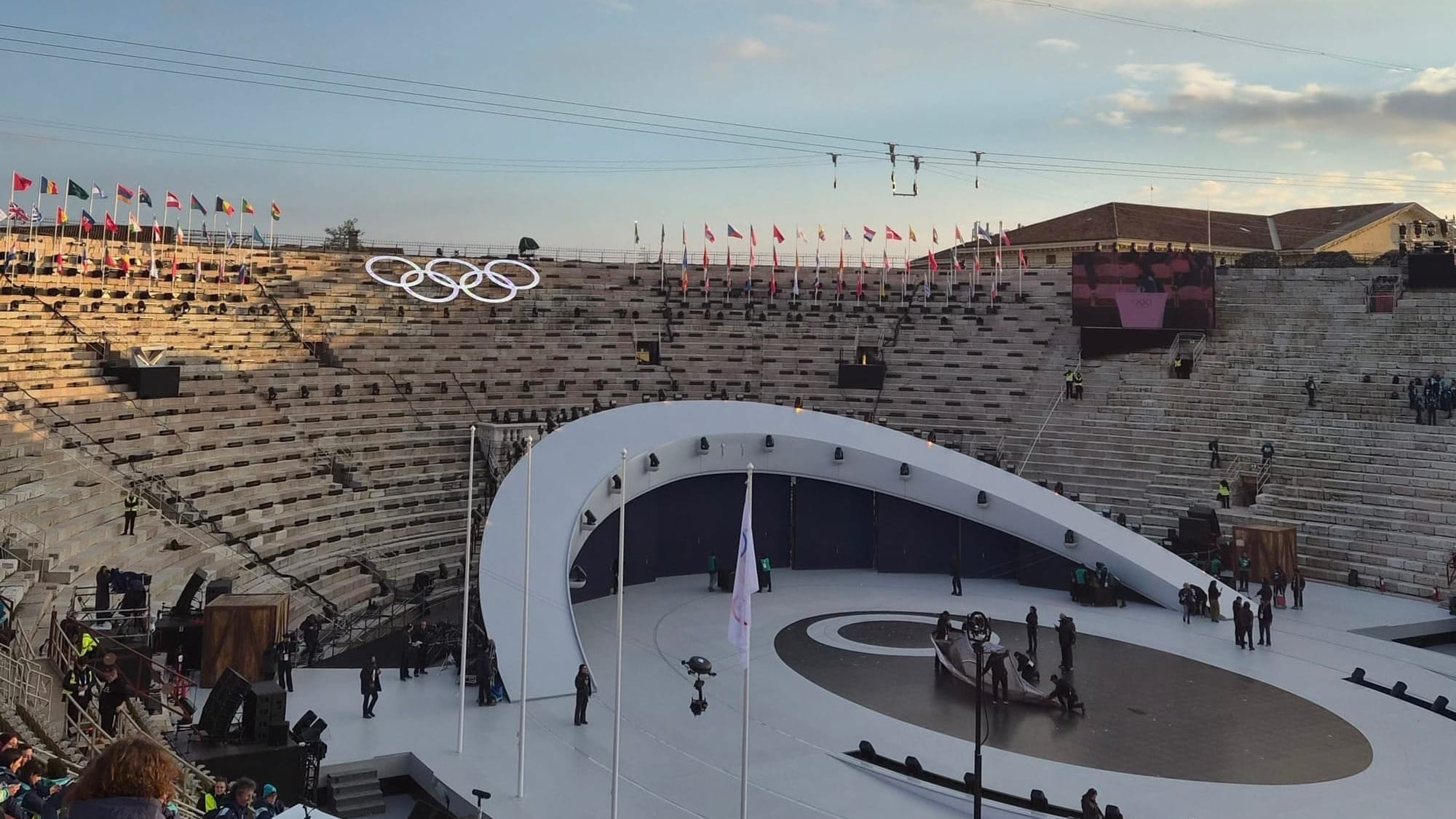
I had the opportunity to volunteer at the Closing Ceremony of the Winter Olympics in Milano Cortina last month. It was a surreal atmosphere, being surrounded by people I had watched on TV winning medals just a few days before. I chatted with some of them about their plans for the coming days, and a few said that the following morning was already back to training.
This made me think about the nature of competition. In Zero to One, Peter Thiel titled a chapter "Competition is for Losers," discussing startups. In that world, the only way to maximize chances of success is to build something useful in a way that no one else is doing, hence with virtually no competition. When successful, this comes with huge profits since there's no competitor to undercut your price, so you can charge the maximum customers are willing to pay. In addition, it's possible to find these types of businesses because the world is ever-changing and new opportunities arise each day.
For athletes, it is a very different situation. The rules are clear and the same for everyone. Moreover, within an established sport, you can't just invent a new discipline and venture into a new blue ocean. It's a zero-sum game, where if I come in first, the best you can do is second. Plus, anyone can start training: if someone else is training 10 hours per day, you had better start aiming for 11.
There can be two opposing perspectives on these facts. Either you see yourself as a slave to the standards set by your peers while trying to win, or you enjoy what you are doing so much that you would train for its own sake. Given that a simple cold can jeopardize a race you have been preparing for over four years, tying your sense of purpose entirely to the outcome is a fragile foundation to build on. On top of this choice, unlike athletes, we can ask ourselves every once in a while: am I running my own race, or someone else's? 🏃